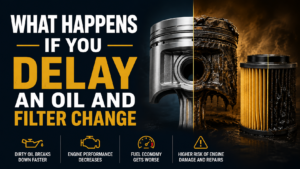
Most engine problems announce themselves well before they become serious. A warning light, an unusual noise, a change in exhaust smoke, or a drop in performance are the engine’s way of asking for attention before a small fault turns into a major repair. Knowing what each of these warning signs actually means is the difference between a straightforward fix and a car that ends up off the road for weeks. Mechanic Bournemouth sees the same handful of engine problems again and again, and almost every one of them was catchable at the warning sign stage.
The Engine Warning Light and What It Actually Means
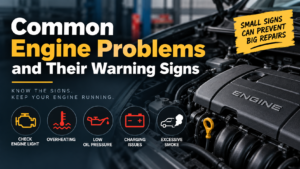
The engine management light is the most common first sign of a developing fault, and it covers a wide range of causes, from a loose fuel cap to a failing sensor or a genuine mechanical problem. The light itself doesn’t tell you which one it is. A car can still drive normally with the light on, which is why so many drivers put off having it looked at. That’s a mistake, since some of the faults behind it get worse the longer they run unaddressed, particularly anything affecting the fuel or ignition system. A proper vehicle diagnostic check reads the fault code directly from the engine control unit and tells you within minutes whether it’s minor or something to book in straight away.
Unusual Engine Noises and What They’re Telling You
A knocking or pinging sound, often described as marbles rattling in a tin can, usually points to worn engine bearings or poor fuel combustion, and it tends to get louder under load or acceleration. Ticking or tapping noises are more often linked to low oil levels or worn valve train components, and they’re worth checking before the next drive rather than after. A grinding noise is the one to take most seriously. It generally signals serious mechanical wear and should stop you booking a garage visit for later in the week rather than today.
What Exhaust Smoke Colour Tells You About Engine Health
Blue smoke from the exhaust means the engine is burning oil, usually from worn piston rings, damaged valve seals, or a failing turbocharger. White smoke that doesn’t clear after a cold start often points to coolant entering the combustion chamber, commonly caused by a damaged head gasket, a fault that gets more expensive the longer it’s driven on. Black smoke usually means the engine is running too rich, burning more fuel than it should due to a blocked air filter or faulty fuel injectors. Any of these three colours, if persistent rather than a brief puff on a cold morning, is worth a proper look. Our guide on what causes a car to fail an emissions test covers how exhaust smoke and MOT emissions readings connect.
Concerned About a Warning Light or Strange Noise?
If your car has thrown up any of the signs above, it’s worth getting it looked at before the next long drive rather than waiting to see if it clears up on its own. Mechanic Bournemouth’s mobile mechanics can run a full diagnostic scan at your home or workplace across Bournemouth, Poole, and Christchurch, and give you a plain English answer on what’s actually wrong.
Symptom, Likely Cause, and How Urgent It Is
| Warning Sign | Likely Cause | How Urgent |
| Engine light on, car drives normally | Sensor fault, loose fuel cap, minor emissions issue | Book within the week |
| Engine light on with rough running or loss of power | Ignition, fuel delivery, or misfire | Book within a day or two |
| Ticking or tapping noise | Low oil, worn valve train components | Check oil level immediately, book soon |
| Knocking noise, worse under acceleration | Worn bearings, poor combustion | Book urgently |
| Grinding noise | Serious mechanical wear | Stop driving, book immediately |
| Blue or white exhaust smoke, persistent | Oil burning or head gasket fault | Book within a day or two |
| Temperature gauge rising above normal | Cooling system fault | Stop driving, do not continue the journey |
Engine Overheating and Why It Can’t Wait
An overheating engine is one of the more serious warning signs a driver can face, and one of the few here where continuing to drive genuinely risks total engine failure. Common causes include low coolant, a leak in the cooling system, a failing thermostat, or a water pump that’s stopped circulating coolant. If the temperature gauge climbs into the red or a warning appears on the dashboard, the safest move is to stop somewhere safe rather than pushing on to a garage. Cracked cylinder heads and warped engine blocks are common results of driving through an overheating warning, and neither is a straightforward repair.
Oil Leaks and Low Engine Oil
Engine oil does more than lubricate. It carries away heat and keeps metal components from grinding against each other under load. Signs of a developing oil leak include patches under the car overnight, a burning smell after a drive, and having to top up more often than usual. Low oil starves the engine of the film it relies on, and prolonged running on low oil is one of the more common causes of the kind of internal wear that eventually needs a full engine rebuild or replacement.
Mistakes Drivers Make With Early Engine Warning Signs
Assuming a warning light will clear itself. Some genuinely do, usually after a loose fuel cap is retightened, but most don’t, and driving on an unresolved fault for weeks turns a sensor replacement into a much bigger job.
Ignoring a smell of burning oil because the car still drives fine. Oil leaks rarely announce themselves with a dramatic symptom until the level has dropped enough to start affecting lubrication.
Continuing to drive after a temperature warning is one of the more expensive mistakes drivers make, often turning a coolant top up into a full head gasket repair. Skipping the six month check on oil and coolant levels between full services is another common one, particularly on older vehicles that tend to use a little oil between changes without it showing up as an obvious leak.
What We See on Engine Faults Across Bournemouth
A customer in Poole brought a car in recently after noticing what he described as a faint ticking under the bonnet that had been there for a few weeks. He’d assumed it was normal engine noise on an older diesel. Once it was on the ramp, the oil level was found to be well below the minimum mark, and the ticking was the valve train running dry in places. Topping up the oil and tracing a small leak from a worn seal solved it before any lasting damage was done, but another few hundred miles at that level would likely have meant a far more serious repair. It’s a pattern seen often enough that checking oil level is one of the first things worth doing whenever a new noise appears.
Why Regular Servicing Catches Most of These Early
Routine servicing exists mainly to catch engine problems at the sensor fault stage rather than the total failure stage. A technician checking oil and coolant levels, testing engine performance, and running a diagnostic scan during a standard service will often flag a developing issue weeks before it would otherwise show up as a warning light or a noise. Our article on why regular car servicing matters for engine life goes into more detail on how that prevention actually works in practice.
Frequently Asked Questions
Is it safe to drive with the engine warning light on?
It depends on how the car is behaving. If it drives normally with no loss of power, unusual noise, or overheating, it’s usually safe for a short period, but the fault should be checked as soon as possible since some causes worsen over time.
What does a knocking noise from the engine mean?
A knocking or pinging noise is usually caused by worn engine bearings or a fuel combustion problem. It’s worth having checked promptly, since continued driving can lead to more extensive internal engine wear.
Can low engine oil cause permanent damage?
Yes. Oil lubricates and cools moving engine components, and running on low oil for an extended period increases friction and wear, which can eventually lead to engine failure.
Why is my car losing power when I accelerate?
A loss of power is commonly caused by blocked air filters, faulty fuel injectors, ignition faults, or sensor failures. A diagnostic scan will usually identify the specific cause.
What should I do if my temperature gauge suddenly rises?
Stop the car in a safe location as soon as possible and switch off the engine. Continuing to drive with the engine overheating risks serious and often irreversible damage.
What to Ask Before Booking an Engine Repair
Ask whether the garage will run a full diagnostic scan before quoting for any repair, rather than replacing parts based on the symptom alone. Ask what the fault code actually means in plain terms, and whether it’s linked to a wider issue such as a snapped or worn timing belt, which is one of the more serious causes of engine problems on higher mileage vehicles. Our cambelt change service covers why this particular component causes such extensive damage when it fails.
Book an Engine Check With Mechanic Bournemouth
If you’ve noticed a warning light, an unfamiliar noise, or a change in how your car runs, it’s worth having it looked at before the fault has a chance to spread. Mechanic Bournemouth’s team can run a full diagnostic and give you an honest, plain English answer on what’s actually happening under the bonnet. Get in touch with the team to book a slot in Bournemouth or arrange the mobile service if you can’t get the car to us.