Every vehicle owner hopes for a straightforward MOT, but emissions are one of the most common reasons cars fail. Often there are no obvious warning signs before the test, leaving many drivers wondering why a vehicle that seems to run perfectly has not met the required standards.
Modern engines are designed to minimise harmful exhaust gases, but as components wear over time, emissions can increase without noticeably affecting day to day driving. A failed emissions test does not always point to a major fault, but it does mean something within the engine, fuel system or exhaust is no longer operating as it should.
In this guide, we explain what causes a car to fail an emissions test, the most common faults found during an MOT, and what you can do to reduce the risk of failing next time.
What Is an Emissions Test?
During an MOT, your vehicle’s exhaust emissions are measured to ensure they meet legal environmental standards. The exact test depends on the type of engine and the age of the vehicle.
For petrol cars, the MOT measures carbon monoxide, hydrocarbons and lambda readings to check how efficiently the engine burns fuel. Diesel vehicles are tested for excessive smoke, which indicates incomplete combustion or issues within the emissions control system.
The results help identify whether the engine is producing more pollutants than permitted and whether key emissions components are functioning correctly.
Why Do Cars Fail an Emissions Test?
A failed emissions test is usually the result of incomplete combustion or a fault within the vehicle’s emissions control system. Modern vehicles rely on several components working together to reduce harmful gases before they leave the exhaust.
Even a relatively small issue can cause emissions to rise above the legal limits.
A Faulty Oxygen Sensor
The oxygen sensor continuously monitors the amount of oxygen in the exhaust gases and sends this information to the engine control unit.
If the sensor provides incorrect readings, the engine may inject too much or too little fuel. This creates an incorrect air to fuel ratio, increasing emissions and reducing fuel efficiency.
A faulty oxygen sensor is one of the most common reasons petrol vehicles fail an MOT emissions test.
Catalytic Converter Problems
The catalytic converter plays a vital role in reducing harmful exhaust gases before they leave the vehicle.
As it ages, the internal materials can become contaminated or damaged, reducing its ability to convert pollutants into less harmful gases.
In some cases, the catalytic converter itself is functioning correctly, but another engine fault has caused it to become damaged over time.
Signs may include reduced engine performance, an illuminated engine management light or a noticeable change in exhaust smell.
Worn Spark Plugs or Ignition Components
Efficient combustion depends on a strong spark.
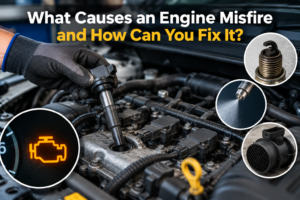
Worn spark plugs, faulty ignition coils or ignition system faults can cause incomplete combustion, allowing unburnt fuel to enter the exhaust system.
This increases hydrocarbon emissions and may eventually damage the catalytic converter if left unresolved.
Routine servicing helps identify ignition problems before they affect MOT results.
Dirty Air Filter
The engine requires a balanced mixture of air and fuel.
A clogged air filter restricts airflow, causing the engine to run richer than intended. Excess fuel leads to higher carbon monoxide emissions and poorer combustion efficiency.
Replacing the air filter during routine servicing helps maintain correct engine performance.
If your vehicle is due for maintenance before its MOT, our Car Servicing service ensures important components such as filters, spark plugs and engine systems are inspected according to the manufacturer’s recommendations.
Fuel System Issues
Faults within the fuel injection system can also contribute to excessive emissions.
Dirty or partially blocked fuel injectors may deliver inconsistent amounts of fuel into the combustion chamber. Too much fuel results in incomplete combustion, while uneven fuel delivery can create poor running and increased exhaust emissions.
Professional engine diagnostics can quickly identify fuel system problems before they become more serious.
Engine Management Faults
Modern vehicles constantly monitor engine performance through numerous sensors.
If one of these sensors fails, the engine control unit may switch to a backup operating mode. While the car may continue to drive normally, emissions often increase.
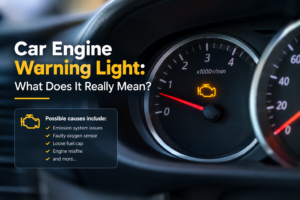
An illuminated engine management light should never be ignored before an MOT.
Our Car Diagnostics service can identify stored fault codes and determine whether an emissions related component requires repair before the vehicle is tested.
Diesel Particulate Filter Problems
Diesel vehicles use a Diesel Particulate Filter to trap soot produced during combustion.
If the filter becomes blocked, the engine cannot remove exhaust gases efficiently, increasing smoke emissions and potentially causing the vehicle to fail its MOT.
Short journeys where the engine rarely reaches full operating temperature are one of the most common reasons Diesel Particulate Filters become clogged.
Regular motorway driving or following the manufacturer’s regeneration procedures helps reduce this risk.
Exhaust Leaks
A damaged exhaust system can affect emissions readings.
Leaks before the catalytic converter or oxygen sensors allow outside air to enter the exhaust, producing inaccurate sensor readings and affecting the air to fuel mixture.
Corrosion, damaged joints or worn seals can all contribute to this problem.
An exhaust inspection before your MOT helps identify these faults early.
If you have noticed increased exhaust noise or unusual fumes, our Exhaust Repairs service can identify leaks and ensure the exhaust system operates correctly.
Poor Engine Maintenance
Many emissions failures are the result of overdue maintenance rather than a single failed component.
Old engine oil, dirty filters, neglected spark plugs and unresolved warning lights all contribute to reduced engine efficiency.
Regular servicing keeps the engine operating within its intended performance range while helping reduce harmful emissions.
Can Driving Before an MOT Help?
Many technicians recommend taking the car for a longer drive before the MOT, especially if it has mainly been used for short journeys.
Driving at normal operating temperature helps the catalytic converter reach its most efficient working condition. On diesel vehicles, it may also help clear accumulated soot from the Diesel Particulate Filter where appropriate.
While this cannot repair faulty components, it may improve emissions if the issue is simply the result of the engine not reaching full operating temperature.
How to Reduce the Risk of an Emissions Failure
The best way to avoid emissions problems is through regular maintenance rather than waiting until the MOT is due.
Routine servicing keeps ignition components, filters and engine management systems working correctly. Any warning lights should be investigated promptly, as they often indicate faults that can affect emissions long before noticeable driving problems appear.
Using good quality fuel, allowing the engine to reach normal operating temperature regularly and addressing unusual engine behaviour early all contribute to cleaner emissions and more reliable performance.
Why Professional Diagnostics Matter
Modern vehicles rely on dozens of sensors and electronic systems to control emissions.
Although some faults produce obvious symptoms, others only become apparent through specialist diagnostic equipment.
Professional diagnostics identify the root cause rather than simply replacing parts based on guesswork. This allows repairs to focus on the actual fault, helping restore engine efficiency and ensuring the vehicle meets MOT emissions standards.
At m, we use advanced diagnostic equipment to identify emissions related faults accurately before carrying out the appropriate repairs.
Frequently Asked Questions
Can a car fail an MOT because of the engine management light?
Yes. An illuminated engine management light often indicates a fault affecting the engine or emissions control system and may result in an MOT failure.
Does an old air filter affect emissions?
Yes. A dirty air filter can reduce airflow into the engine, affecting combustion efficiency and increasing emissions.
Will replacing spark plugs improve emissions?
If worn spark plugs are causing incomplete combustion, replacing them can improve engine performance and reduce exhaust emissions.
Can short journeys increase the risk of emissions problems?
Yes. Frequent short trips may prevent the engine and catalytic converter from reaching normal operating temperature. Diesel vehicles are also more likely to experience Diesel Particulate Filter issues.
Should I get my car checked before its MOT?
A pre MOT inspection helps identify engine, exhaust and emissions related issues before the official test, reducing the likelihood of unexpected failures.
Keep Your Vehicle Ready for Its Next MOT
An emissions failure is often a sign that your vehicle needs attention rather than an indication of a serious mechanical problem. Whether the issue involves the catalytic converter, oxygen sensor, ignition system or fuel delivery, identifying the fault early helps protect engine performance and improves your chances of passing the MOT.
If your engine management light is on, your vehicle is producing excessive exhaust smoke or you want peace of mind before your MOT, Mechanic Bournemouth can help. Our experienced technicians provide professional diagnostics, servicing and repairs to keep your vehicle running efficiently and meeting UK emissions standards.