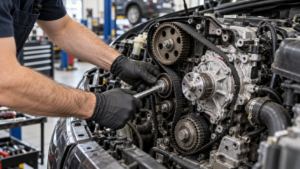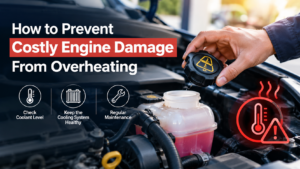
Your engine is the single most expensive and most important component in your car, and it is also the component most affected by how well, or how badly, your vehicle is looked after. Every mile you drive puts thousands of moving metal parts under constant heat, friction and pressure. What stands between smooth performance and a costly breakdown is something surprisingly simple: regular car servicing.
Many drivers only think about their engine when something goes wrong, a warning light appears, a strange noise starts, or the car struggles to start. By that point, the damage is often already underway. In this guide, we explain exactly how regular servicing protects your engine, what happens when servicing is skipped, how often you should book a service, and the warning signs that tell you your car needs attention now rather than later.
What Actually Happens Inside Your Engine
Every time you turn the key, your engine’s internal components, pistons, valves, camshafts and bearings, begin moving at extremely high speeds. Left unprotected, this constant metal on metal contact would wear the engine out within minutes. Engine oil is what prevents that from happening.
A healthy engine relies on oil to do several jobs at once:
- Lubrication. Oil forms a thin protective film between moving parts, reducing friction and preventing premature wear.
- Cooling. Oil helps carry heat away from the engine’s hottest components, working alongside the coolant system.
- Cleaning. As oil circulates, it picks up dirt, soot and tiny metal particles, which are then captured by the oil filter.
- Protection. A good quality oil helps guard internal surfaces against rust and corrosion.
- Sealing. Oil supports the seal between piston rings and cylinder walls, which keeps compression and performance where they should be.
Over time, oil breaks down. It becomes thinner, dirtier and less effective at doing any of the above. This is precisely why oil changes sit at the heart of every regular service, and why our oil and filter change service is one of the most requested jobs we carry out in Bournemouth.
What Happens If You Skip Regular Servicing
Neglecting servicing rarely causes an engine to fail overnight. Instead, the damage builds up quietly in the background until a small issue turns into an expensive one. Common consequences of missed servicing include:
- Accelerated wear. Old, thin or contaminated oil can no longer stop metal components rubbing against each other.
- Sludge build up. Degraded oil thickens over time, blocking oilways and restricting proper flow around the engine.
- Overheating. Poor quality oil struggles to draw heat away, forcing the engine to run hotter than it should.
- Reduced fuel economy. A poorly lubricated, under maintained engine has to work harder, burning more fuel to deliver the same performance.
- Major mechanical failure. In the worst cases, prolonged neglect contributes to turbo damage, timing belt failure or complete engine seizure, problems that are often far beyond a simple repair.
A snapped cambelt is one of the most damaging examples of this. If it fails while the engine is running, valves and pistons can collide, causing catastrophic internal damage. This is exactly why we recommend keeping to manufacturer intervals for your cambelt change, rather than waiting for a warning sign that may never come in time.
What a Full Car Service Actually Checks
A proper service is far more than an oil top up. At Mechanic Bournemouth, our full and interim servicing follows manufacturer service schedules and includes a thorough inspection of the systems that most affect engine health, safety and reliability:
- Engine oil and filter, replaced with the correct grade for your specific vehicle
- Brakes, including pads, discs, callipers and fluid condition, checked through our dedicated brake repairs and replacement service
- Battery health, particularly important for modern stop start systems, covered by our battery replacement service
- Tyres, including tread depth, pressure and alignment, all of which affect handling and safety
- Fluid levels, such as coolant, brake fluid, power steering fluid and screenwash
- Lights, wipers and indicators, essential for visibility and communication with other road users
- Exhaust and emissions, inspected as part of our exhaust and emission repairs service
- Air conditioning performance, checked and re gassed where needed through our air conditioning service
- Suspension components, assessed as part of our suspension and shock absorber repairs service
If a warning light appears on your dashboard between services, our vehicle diagnostics team can pinpoint the exact fault quickly, rather than leaving you guessing.
How Often Should You Service Your Car?
Servicing frequency depends on your car’s make, model, age and how you use it. As a general rule, most manufacturers recommend a full service once a year or every 10,000 to 12,000 miles, whichever comes first. Vehicles that regularly cover high mileage, or those used mainly for short, stop start journeys, may benefit from more frequent checks, since engine oil degrades faster under these conditions.
It is always worth checking your vehicle’s handbook for its specific recommended schedule, and keeping a full service history not only protects your warranty but also supports your car’s resale value further down the line.
Warning Signs Your Engine Needs Attention
Your car will usually give you clear signals before a small issue becomes a major repair. Watch out for:
- Warning lights on the dashboard, particularly the engine or oil light
- Unusual noises such as knocking, ticking or grinding, especially on cold starts
- A drop in fuel economy or noticeably sluggish acceleration
- Oil on the dipstick that looks dark, thick or gritty
- Excessive exhaust smoke or a burning smell from the engine bay
- Difficulty starting the engine or rough idling
If you notice any of these signs, it is worth booking a service or diagnostic check promptly rather than waiting for the next scheduled appointment.
Why Professional Servicing Makes the Difference
Basic checks such as monitoring oil level or tyre pressure can be done at home, but a full service goes far beyond what most drivers can assess themselves. Working with a qualified, IMI accredited team gives you several advantages:
- Expertise. Trained mechanics can identify hidden issues that are easy to miss during a visual check.
- Proper equipment. Modern diagnostic tools allow faults to be found quickly and accurately, rather than through guesswork.
- Quality parts. Using manufacturer approved components keeps your warranty intact and ensures a proper fit.
- Comprehensive checklists. Professional servicing follows a structured process that covers every major system, not just the obvious ones.
At Mechanic Bournemouth, our IMI accredited technicians bring over 15 years of hands on experience to every job, working on everything from everyday hatchbacks to performance vehicles, so you can be confident your engine is in capable hands.
How Regular Servicing Extends Engine Life
Engines that receive consistent, scheduled maintenance simply last longer. Changing oil on time prevents sludge from building up inside the engine, one of the most common causes of premature failure. Replacing worn components before they fail protects surrounding parts from secondary damage, and a well maintained engine runs cooler, smoother and more efficiently across its entire lifespan.
The result is a car that starts reliably, performs consistently and holds its value better when the time comes to sell or part exchange it.
Simple Habits to Protect Your Engine Between Services
Alongside scheduled servicing, a few everyday habits go a long way toward protecting your engine:
- Check oil and coolant levels every few weeks
- Keep an eye on tyre pressure, since underinflated tyres increase strain on the engine
- Listen for unusual sounds or changes in how the car feels to drive
- Avoid harsh acceleration and braking where possible, as smoother driving reduces wear
- Never ignore a dashboard warning light, however minor it may seem
Frequently Asked Questions
Does regular servicing really make an engine last longer?
Yes. Consistent servicing prevents the gradual wear, sludge build up and overheating that shorten engine life, keeping internal components properly protected for far longer.
What is the difference between an interim and a full service?
An interim service is a shorter, more frequent check ideal for higher mileage drivers, while a full service is a more comprehensive inspection typically carried out annually, covering every major system in the vehicle.
Can I service my car myself?
Basic checks like oil level and tyre pressure are fine to do at home, but a full service requires specialist equipment and training to properly inspect brakes, diagnostics, suspension and other safety critical systems.
What happens if I miss a scheduled service?
Missing a service does not usually cause immediate failure, but it allows small issues, such as degrading oil or worn components, to develop unnoticed until they become expensive repairs or safety risks.
Book Your Car Service in Bournemouth
Regular servicing is one of the simplest and most effective ways to protect your engine, your safety and your car’s long term value. Whether it has been a while since your last check up or you have noticed one of the warning signs above, our team at Mechanic Bournemouth is ready to help.
Contact us today to book your next service and keep your engine running the way it should for years to come.