A rising temperature gauge is one of the most alarming things a driver can see on the dashboard. Engine overheating is also one of the most common reasons vehicles end up on a workshop ramp in Bournemouth, and it rarely happens without warning. Understanding why engines overheat, recognising the early signs, and knowing how to respond can be the difference between a simple coolant top up and a full engine rebuild.
In this guide, our Bournemouth mechanics explain how the cooling system works, what typically causes it to fail, and the maintenance habits that keep your engine running at a safe temperature all year round.
How Your Engine’s Cooling System Works
Every petrol and diesel engine produces intense heat as fuel burns inside it. To stop that heat building up to dangerous levels, your car relies on a cooling system made up of several parts working together: the radiator, water pump, thermostat, coolant (antifreeze), hoses, and cooling fan.
Coolant circulates through the engine block, absorbing heat, before travelling to the radiator where it is cooled by air flowing through the grille. The thermostat regulates when coolant flows, the water pump keeps it moving, and the fan draws extra air through the radiator when the car is stationary or moving slowly. If any single part of this system fails, engine temperature can climb quickly.
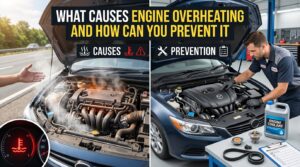
Common Causes of Engine Overheating
1. Low or Old Coolant
Coolant levels naturally drop over time through evaporation, and a small leak from the radiator, a hose, or the water pump can drain the system much faster. Old coolant also loses its protective additives, which can allow corrosion to build up inside the cooling system. Checking the coolant reservoir regularly and having it flushed and replaced at the recommended intervals is one of the simplest ways to avoid overheating.
2. A Faulty Thermostat
The thermostat opens and closes to control coolant flow between the engine and radiator. When it sticks closed, coolant cannot reach the radiator and engine temperature rises fast, often within minutes of starting a journey. A thermostat that sticks open can also cause the engine to run below its ideal temperature, which affects performance and fuel economy.
3. Radiator Problems
Road grime, insects, and general wear can clog the radiator fins, reducing its ability to shed heat. Leaks, corrosion, and a failed radiator fan all reduce cooling efficiency too. A radiator that is not doing its job properly puts strain on every other part of the cooling system.
4. Water Pump Failure
The water pump keeps coolant moving through the engine. When it fails, whether through a worn bearing, a cracked impeller, or a leaking seal, coolant circulation stops almost immediately, and the engine can overheat within a very short distance of driving.
5. Worn Belts and Hoses
Many engines use a belt to drive the water pump and cooling fan. A slipping, cracked, or snapped belt stops these components from working. Perished or split hoses are just as serious, since they allow coolant to leak away or air to enter the system, both of which reduce cooling efficiency.
6. Head Gasket Failure
A blown head gasket is one of the most serious causes and consequences of overheating. It can allow coolant to leak into the cylinders or mix with engine oil, often producing white smoke from the exhaust, a sweet burning smell, or a milky residue under the oil filler cap. This fault needs urgent attention from a qualified mechanic, as continuing to drive can cause catastrophic engine damage.
7. Everyday Driving Conditions
Overheating is not always caused by a fault. Heavy stop and start traffic along Bournemouth’s seafront and town centre routes, towing, carrying heavy loads, and running the air conditioning hard on a warm day all place extra demand on the cooling system. A car in good working order should cope with these conditions, but a system that is already under strain is far more likely to fail when pushed.
Warning Signs Your Engine Is Overheating
Catching the early signs of overheating gives you the chance to act before serious damage occurs. Watch out for:
- The temperature gauge climbing towards or into the red zone
- Steam or smoke coming from under the bonnet
- A sweet or burning smell inside or outside the car
- A coolant warning light on the dashboard
- Reduced power or the engine struggling to accelerate
- Knocking, ticking, or unusual noises from the engine bay
- Coolant puddles or drips underneath the vehicle when parked
If you notice any of these signs while driving, treat them as an immediate priority rather than something to check later.
What to Do if Your Car Starts Overheating
- Turn off the air conditioning and switch the heater to full heat. This draws warmth away from the engine and towards the cabin.
- Find a safe place to pull over as soon as possible and switch off the engine.
- Wait at least twenty minutes before opening the bonnet. Coolant escapes under pressure and can cause serious burns.
- Once the engine has cooled, check the coolant reservoir and top up if you have coolant available, but avoid removing the radiator cap while the system is hot.
- Look underneath the car and around the engine bay for obvious leaks or damaged hoses.
- If the problem cannot be identified or resolved safely, arrange recovery to a trusted local garage rather than continuing the journey.
Driving even a short distance with an overheating engine can turn a straightforward repair into a much bigger job, so it is always worth erring on the side of caution.
How to Prevent Engine Overheating
Most overheating problems can be avoided with a few regular habits:
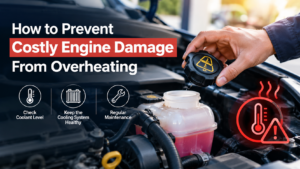
- Check coolant levels monthly and top up with the correct type when needed, topping up between the minimum and maximum markers on the reservoir.
- Inspect hoses and belts for cracks, bulges, or softness, and have anything showing wear replaced promptly.
- Book a cooling system flush at the intervals set out in your vehicle handbook to keep coolant fresh and effective.
- Watch your temperature gauge on every journey, particularly in slow traffic or during warmer months.
- Keep the radiator clear of leaves, mud, and debris that can build up at the front of the car.
- Have your car serviced regularly so a qualified mechanic can spot early wear before it turns into a breakdown.
- Avoid unnecessary strain in hot weather, such as heavy towing or prolonged idling in traffic, when possible.
Why a Professional Cooling System Check Matters
Bournemouth’s mix of coastal air, seasonal traffic around the town centre and seafront, and longer runs out towards the A338 and A35 all put different demands on a car’s cooling system throughout the year. A professional inspection goes well beyond a visual check. Our technicians can:
- Carry out a pressure test on the entire cooling system to trace leaks that are not visible during a walk around check
- Test the thermostat and water pump under real operating conditions
- Inspect the radiator, fan, belts, and hoses for early signs of wear
- Check for symptoms of head gasket failure before it becomes a major repair
- Recommend a maintenance schedule based on your vehicle’s age, mileage, and how it is driven
Catching a developing fault early almost always means a smaller, more straightforward repair than waiting until the engine has already overheated.
Frequently Asked Questions
Can I keep driving if my car is slightly overheating?
No. Continuing to drive while the temperature gauge is high risks warping the cylinder head or blowing the head gasket. Pull over and switch off the engine as soon as it is safe to do so.
How often should coolant be replaced?
This varies by vehicle, but most manufacturers recommend a coolant flush and replacement every two to five years. Check your handbook or ask a mechanic to confirm the schedule for your specific car.
Is it safe to open the bonnet straight after my car overheats?
Not immediately. Coolant is under pressure and can reach very high temperatures, so wait at least twenty minutes before opening the bonnet or touching the radiator cap.
What is the most common cause of engine overheating?
Low coolant levels, often caused by a slow leak, and a faulty thermostat are among the most frequent causes seen in the workshop.
Can hot weather alone cause overheating?
On its own, hot weather rarely causes overheating in a cooling system that is in good condition. It tends to expose an existing weakness, such as low coolant, a tired radiator, or an ageing water pump.
Protect Your Engine With Regular Maintenance
Overheating rarely happens without warning, and most causes can be picked up during a routine inspection long before they lead to expensive engine damage. If your temperature gauge has been creeping up, you have noticed any of the warning signs above, or your cooling system has not been checked in a while, our Bournemouth based team is here to help.
Book a cooling system check or a full car service with our mechanics today and drive with confidence, whatever the season.